
Course

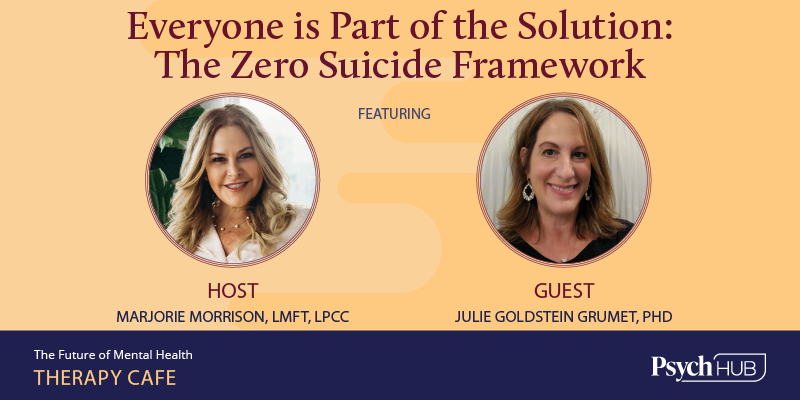
Therapy Cafe (Audio Version) - Everyone is Part of the Solution: The Zero Suicide Framework

With statistics showing that over 38% of individuals visit a healthcare provider in the week before a suicide attempt, there are opportunities for intervention and the need for healthcare systems to prioritize patient safety. Explore the Zero Suicide…

1 CE credits1 hrIntroductoryBehavioral Health Provider Courses
Get Started

About this course

 Before you take the post-test assessment, make sure you've listened to the course content on your podcast app of choice.


YouTube

Apple Podcast

Spotify

Audible

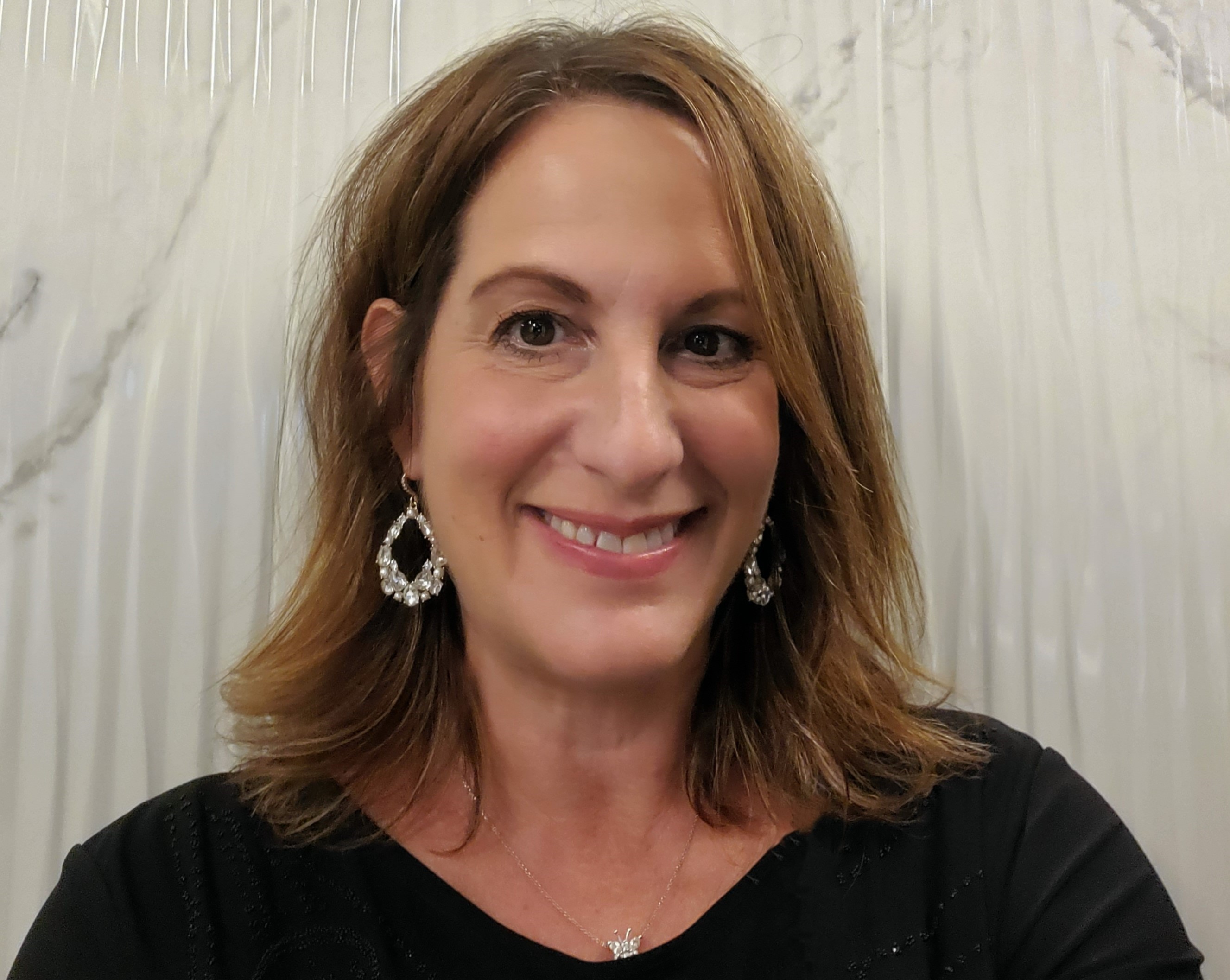
Dr. Julie Goldstein Grumet, a leading clinical psychologist in suicide prevention, Vice President for Suicide Prevention Strategy, and Director of Zero Suicide Institute at the Education Development Center discusses the Zero Suicide framework—a set of evidence-based practices designed to reduce suicide behaviors and deaths. With statistics showing that over 38% of individuals visit a healthcare provider in the week before a suicide attempt, Dr. Goldstein Grumet highlights opportunities for intervention and emphasizes the need for healthcare systems to prioritize patient safety. She discusses the essential components of Zero Suicide, the importance of training and supporting providers, and offers practical strategies to help mental health practitioners care for those at risk. This episode also provides actionable insights into fostering a system-wide culture of prevention, ensuring that both providers and patients receive the care and support they need.

1 hour CE. Recorded audio format

This course is the audio version of this Therapy Cafe podcast episode. If you would like to watch the video version, you can search for the video version of this title in the course catalog. 
Course details

ESTIMATED COURSE LENGTH: 1 hour 

CE/CNE CREDITS:1 hour continuing education/contact hours for social workers, psychologists, counselors, marriage and family therapists, and nurses

TARGET AUDIENCE: mental health practitioners and nurses

LEVEL OF INSTRUCTION: Introductory 

PREREQUISITE(S): None

INSTRUCTIONAL METHOD: Recorded audio format

ACCESSIBILITY ACCOMMODATIONS: Closed captioning. To request further accessibility accommodations, please email support@psychhub.com.

COMPLETION REQUIREMENTS: To obtain your CE certificate, learners must listen to the full course, complete a participant evaluation, and obtain a score of 80% or higher on a post-test. Learners are expected to complete the quiz within 3 attempts. If unable to do so, the learner will need to re-review the course segments.

FINANCIAL/COMMERCIAL SUPPORT STATEMENT: This course has no commercial support.

CONFLICT OF INTEREST:  This course has no potential conflict of interest or outside commercial support. Psych Hub's conflict of interest statement is found in the footer of the training center.

GRIEVANCE AND REFUND POLICIES: Grievance and refund policies are found in the footer of the training center.

PARTICIPATION COSTS:  The cost to participate in this CE activity is included in the subscription registration fee.

COURSE CREATION DATE: 10/10/2024

What you'll learn

By the end of this course, participants will be able to:

  1. Explain how Zero Suicide transforms patient care in healthcare systems

  2. Describe a clinical care pathway for caring for people at risk for suicide

  3. Identify evidence-based practices in suicide care


Course outline

Introduction to Zero Suicide

  • Introduction to Dr. Julie Goldstein Grumet and her work in suicide prevention.
  • Understanding the background and evolution of the Zero Suicide model.
  • Overview of the comprehensive approach to suicide prevention in healthcare.

Identifying Suicide Risk in Healthcare Settings

  • Discussion on the prevalence and preventability of suicide.
  • Use of evidence-based screening tools (e.g., PHQ-9, Columbia Suicide Severity Rating Scale).
  • How to identify risk across diverse healthcare environments, including primary care, emergency departments, and mental health clinics.

Engaging and Supporting Individuals at Risk

  • The importance of engagement and establishing trust with individuals at risk of suicide.
  • Creating suicide care management plans: Safety planning, crisis response planning, and interventions.
  • Best practices for reducing access to lethal means (e.g., safe storage of firearms and medications).
  • Overview of evidence-based treatments for suicide prevention: Cognitive Behavioral Therapy for Suicide Prevention (CBT-SP), Dialectical Behavior Therapy (DBT), Collaborative Assessment and Management of Suicidality (CAMS).

Organizational Structure for Suicide Prevention

  • The role of leadership in fostering a culture of suicide prevention within healthcare organizations.
  • Building a Zero Suicide implementation team and securing leadership support.
  • Training staff in suicide prevention and establishing system-wide policies for consistent care.

Cultural Considerations in Suicide Prevention

  • Tailoring suicide prevention approaches to different populations and marginalized communities.
  • Addressing cultural competency in suicide prevention efforts and overcoming research limitations in underserved populations.

Continuous Quality Improvement in Suicide Prevention

  • Using data collection and analysis to improve suicide prevention practices within healthcare settings.
  • Tools for evaluating outcomes and implementing continuous quality improvement (CQI) measures.
  • Case studies of successful implementation of Zero Suicide.

Supporting Clinician Well-Being

  • Recognizing the emotional toll on clinicians working with individuals at risk for suicide.
  • Strategies for ensuring clinician mental health and well-being within healthcare systems.
  • Creating a no-blame culture that emphasizes support for healthcare providers following patient suicide events.

Future Directions in Suicide Prevention

  • The role of technology and data analytics in enhancing suicide prevention strategies.
  • Discussion on the future of suicide prevention and how AI, telehealth, and cross-sector collaboration will shape the field.
  • Overview of the new national strategy for suicide prevention and its implications for the future.

Accreditation

  • Certificate of Completion
  • American Psychological Association (APA) (APA)
  • Association of Social Work Boards (ASWB) (ASWB)
  • California Association of Marriage and Family Therapists (CAMFT) (CAMFT)
  • National Board for Certified Counselors (NBCC) (NBCC)
  • New York State Education Department - Licensed Mental Health Counselors (NYSED-LMHC) (NYSED-LMHC)
  • New York State Education Department - Marriage & Family Therapists (NYSED-MFT) (NYSED-MFT)
  • New York State Education Department - Psychology (NYSED-PSY) (NYSED-PSY)
  • New York State Education Department's State Board for Social Work (NYSED-SW) (NYSED-SW)
  • Florida Board of Clinical Social Work, Marriage and Family Therapy and Mental Health Counseling (FLB)
  • American Nurses Credentialing Center (ANCC) (ANCC)
  • Ohio Counselor, Social Worker and Marriage and Family Therapist Board (OH)

Instructors

  • Julie Goldstein Grumet, PhD
  • Marjorie Morrison, LMFT, LPCC

Keep learning with Psych Hub.

Take courses, earn CE, and save the resources you use most.